The Attention Economy Changes Everything
I think the internet has fundamentally changed the mechanics of public shaming and boycotts, and we still behave as though we're living in the pre-algorithmic world…
I think the internet has fundamentally changed the mechanics of public shaming and boycotts, and we still behave as though we're living in the pre-algorithmic world.
Historically, social pressure worked because concentrated public attention could genuinely damage someone’s reputation and livelihood. Public disgrace could genuinely isolate someone, damage their career, reduce their influence, or push them out of public life entirely. A boycott from the 1970s through the 1990s often meant fewer platforms, fewer interviews, fewer sales, and less visibility.
The modern internet often works in reverse.
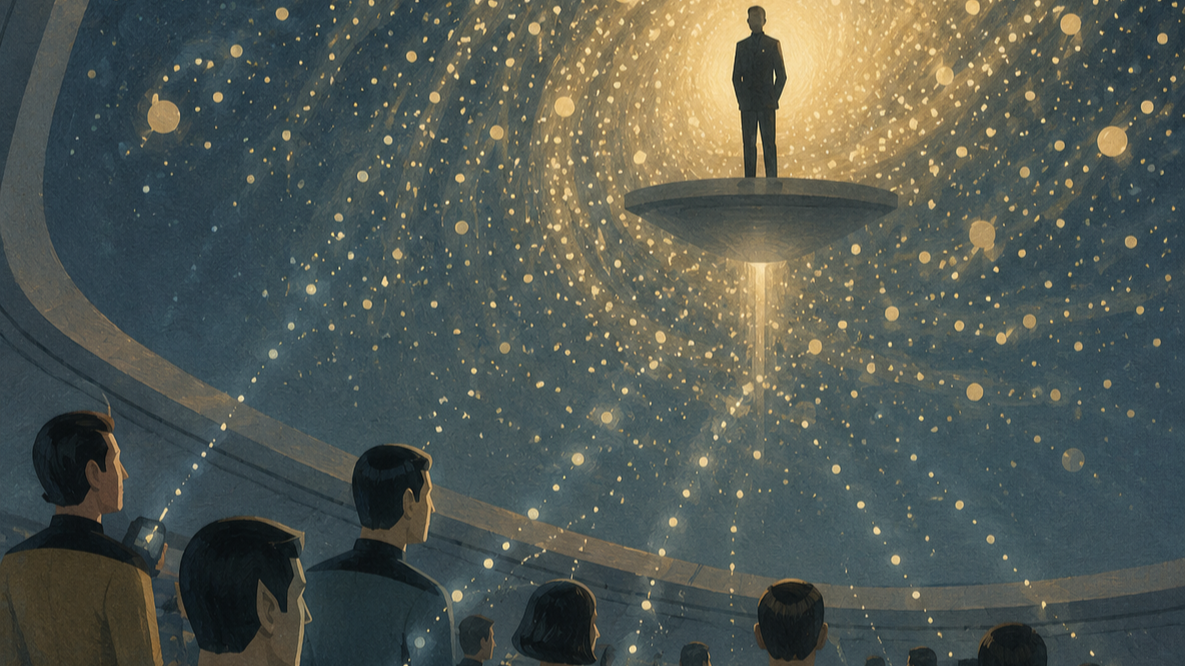
Today, attention itself is the currency. Algorithms don't distinguish very well between admiration and outrage. Controversy drives engagement, engagement drives visibility, and visibility drives money, influence, subscriptions, clicks, merchandise sales, ad revenue, and cultural relevance.
The people we oppose are sometimes financially and culturally empowered by our fixation on them. Every viral outrage cycle becomes free marketing. Every repost spreads their name further. Every "look how awful this is" thread teaches the algorithm to prioritize them. Cash flows out of our good citizenship and wanting to do the right thing, straight into the bad folks' bank accounts with every angry emoji or thumbs up. It doesn't matter which one. There's no incentive for someone with terrible views to reconsider them, especially when they know that changing course would cost them attention.
Criticism is losing its teeth. The sheer volume of it flooding our timelines creates overload, and overload creates desensitization. Our old social tactics were built for a completely different media environment.
In the algorithm age, endless attention is transforming controversial figures into permanent cultural institutions rather than diminishing them.
And meanwhile, countless artists, writers, filmmakers, and creators who actually reflect the values we claim to want receive almost none of that energy because outrage is simply more profitable to the machine than inspiration.
There's also a deeper psychological trap here: we increasingly mistake attention for action. Sharing outrage feels morally productive, even when it produces little measurable change beyond further amplification.
We already know how to handle this. Ask any parent.
When a kid acts out to get a reaction, the worst thing you can do is engage. Ignore it long enough and they stop. The silent treatment works because it removes the reward. We just seem to forget that lesson the moment we open our phones.
In previous generations, a boycott operated through silence and withdrawal. You stopped buying the product. You stopped attending the event. You denied the individual social and economic oxygen.
Today, opposition manifests as endless circulation. We repost the clip. Quote-tweet the statement. Screenshot the controversy. Argue in comment sections for days. Produce reaction videos, essays (like this one LOL), podcasts, and outrage threads. The person remains permanently centered in the conversation.
Because platforms monetize engagement itself, the system frequently rewards the very figures being condemned.
This creates a paradox unique to the digital age: the more culturally enraged we become by someone, the more algorithmically valuable they may become.
None of this means harmful ideas should go unchallenged. But maybe we should ask whether our current methods are actually accomplishing what we think they are.
If the goal is genuinely to reduce harmful influence, starving outrage-driven systems of attention may sometimes be more effective than continuously feeding them.
And if the goal is to build a healthier culture, elevating better voices, stories, communities, and creators may ultimately matter more than endlessly orbiting the people we dislike.
The internet has made outrage feel like participation, but attention is power now. And we should probably think more carefully about who we are giving it to.